

Why Horror Never Dies
The Most Reliable Bet in Hollywood

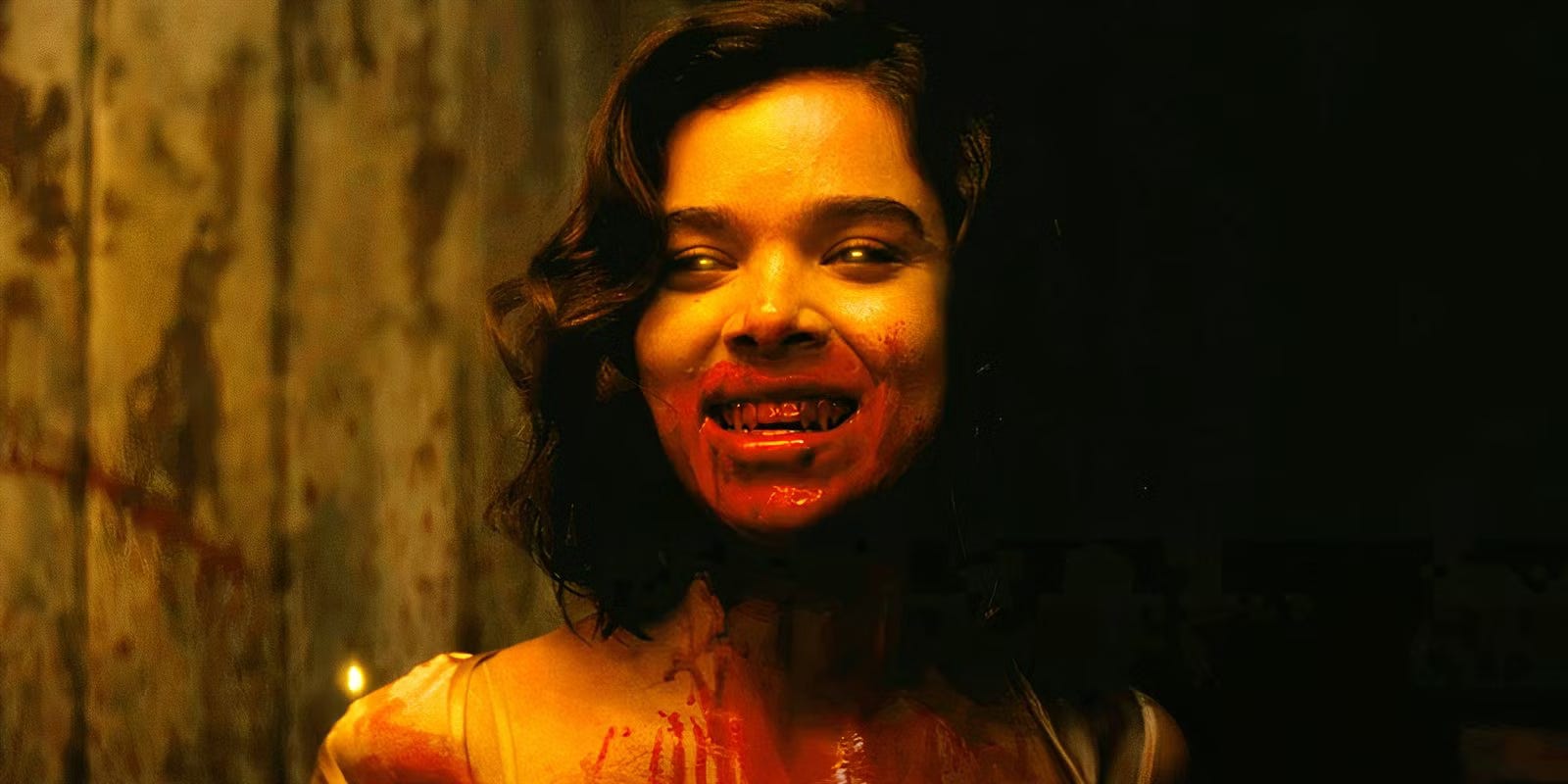
Growing up, I was never into horror. The genre just didn’t excite me. The scares felt cheap, the stories thin, and the characters always made the dumbest possible decisions. It all felt disposable, a funhouse mirror of cinema, not the real thing.
Then something happened. Horror evolved. Auteurs like Ari Aster, Jordan Peele, Ti West, Osgood Perkins, and Zach Cregger began making films that didn’t just want to scare you, they wanted to haunt you. Suddenly, the genre had taste. It had mood. It had ideas. The very thing I used to dismiss as “lowbrow” was now pushing the language of filmmaking forward.
And that’s the beauty of it. Horror reinvents itself every decade without losing its bite. It shapeshifts with culture, adopts new fears, new faces, and new forms, but the audience’s appetite never fades. While studios gamble on superhero fatigue and streaming wars, horror remains the most reliable bet in Hollywood.
Every few years, Hollywood rediscovers what audiences never forgot: fear sells.
It’s one of those strange industry amnesia cycles. Executives pour hundreds of millions into the next cinematic universe, only to act surprised when a five-million-dollar horror movie outgrosses their prestige slate. You’d think by now they’d stop calling it a “comeback” and start calling it what it is: the most reliable bet in Hollywood.
Horror has been declared dead more times than the slasher villain in its third act, and yet it never stays buried. The Blair Witch Project did it in 1999. Paranormal Activity did it again a decade later. Get Out did it with social horror, Talk to Me with Gen Z mythology. Each time, the same think pieces appear: “The Unexpected Rise of Horror.” But there’s nothing unexpected about it.
While studios chase trends that expire faster than a TikTok sound, horror keeps doing the same thing it’s always done: tapping into whatever we’re secretly terrified of. It doesn’t need capes, sequels, or a cinematic universe. It just needs to find the thing we’re all trying not to think about and shine a flashlight at it.
The Economic Immortality of Horror
Horror is the rare genre that can survive without stars, spectacle, or marketing because fear is the cheapest emotion to provoke and the hardest to forget. You don’t need to convince someone to believe in a monster; you just need to make them feel something real. That’s an economic superpower.
Every studio wants predictability. They want to believe there’s a formula for audience behavior. But horror doesn’t obey formulas; it feeds on them. You can’t schedule fear into a release calendar. The genre’s unpredictability is its reliability. Every few years, a filmmaker with no name and no resources outsmarts the system with an idea that touches a collective nerve.
Look at the past five years. Smile (2022) cost $17 million and made over $217 million worldwide. M3GAN (2023), budgeted around $12 million, danced its way to $181 million. Talk to Me (2023), produced for under $5 million, earned $92 million, turning two Australian YouTubers into A24’s newest crown jewels. Even The Black Phone (2022), a mid-range Blumhouse title at $18 million, cracked $160 million globally. Compare that to the dozens of $200 million tentpoles that can’t clear a profit and you start to realize: horror isn’t a genre, it’s an economy of scale.
That alchemy, the ability to turn anxiety into equity, is why horror never dies. It’s an emotion-driven business model. You can’t commodify sincerity or laughter without risk, but fear is always scalable. It doesn’t age the way jokes do or date itself like slang. What terrified audiences in the 1970s might look different today, but the nervous system response is the same. Horror filmmakers are entrepreneurs of adrenaline; they sell you your own biology.
The genre also thrives because it invites participation. Audiences want to test themselves. They lean forward, anticipate jumps, whisper to the screen. It’s the only genre where bad behavior from the audience is part of the experience. That engagement is marketing gold. You can’t tweet suspense, but you can film a packed theater screaming in unison. Horror trailers don’t need dialogue or plot; they just need a reaction shot.
And underneath the box office math, there’s something quietly radical about that. Horror treats the audience as a collaborator, not a consumer. It doesn’t seduce you with beauty; it dares you to confront something ugly. That intimacy between filmmaker and viewer, that exchange of trust, is the reason horror keeps making money when every other genre burns out. It’s not just an entertainment model. It’s a renewable emotional resource.
Horror as a Mirror of Society
Every horror boom is a mirror held up to the decade that spawned it. What changes isn’t the scream, it’s what we’re screaming about.
In the 1950s, monsters came from radiation and outer space. The threat wasn’t supernatural; it was nuclear. Godzilla, Them!, Invasion of the Body Snatchers — all metaphors for the Cold War and the fear that science had outpaced morality. By the 1970s, those anxieties turned inward. The Exorcist, Halloween, and Texas Chain Saw Massacre transformed fear of the unknown into fear of the ordinary. Evil was no longer a creature in the dark; it was your neighbor, your house, your family.
The 2000s brought another shift. The rise of digital culture and surveillance bred the found-footage era — The Blair Witch Project, Paranormal Activity, Cloverfield. We were suddenly terrified not by monsters but by the act of watching itself. The 2010s introduced social horror: films like Get Out, The Babadook, Hereditary, and It Follows externalized grief, guilt, and systemic fear. The monsters weren’t metaphors anymore; they were metaphysics.
And now, in the 2020s, horror has become hyper-personal. Smile and Talk to Me aren’t about global apocalypse; they’re about what happens when your trauma goes viral. The genre has absorbed social media, therapy-speak, and the language of wellness, then twisted them into something uncomfortably familiar. We no longer fear the unknown; we fear being known too well.
That’s the secret to horror’s longevity. It evolves not by chasing trends but by metabolizing them. Every cultural shift, from the nuclear age to the digital one, gives horror a new shape to wear. When the world gets colder, horror gets warmer. When the world gets louder, horror gets quieter. It always fills the emotional gaps other genres ignore.
In that sense, horror isn’t escapism. It’s exposure therapy. It gives us a safe distance from the things we can’t control — death, violence, change, each other. That’s why it endures when cynicism kills everything else. Horror doesn’t ask for belief. It asks for surrender.
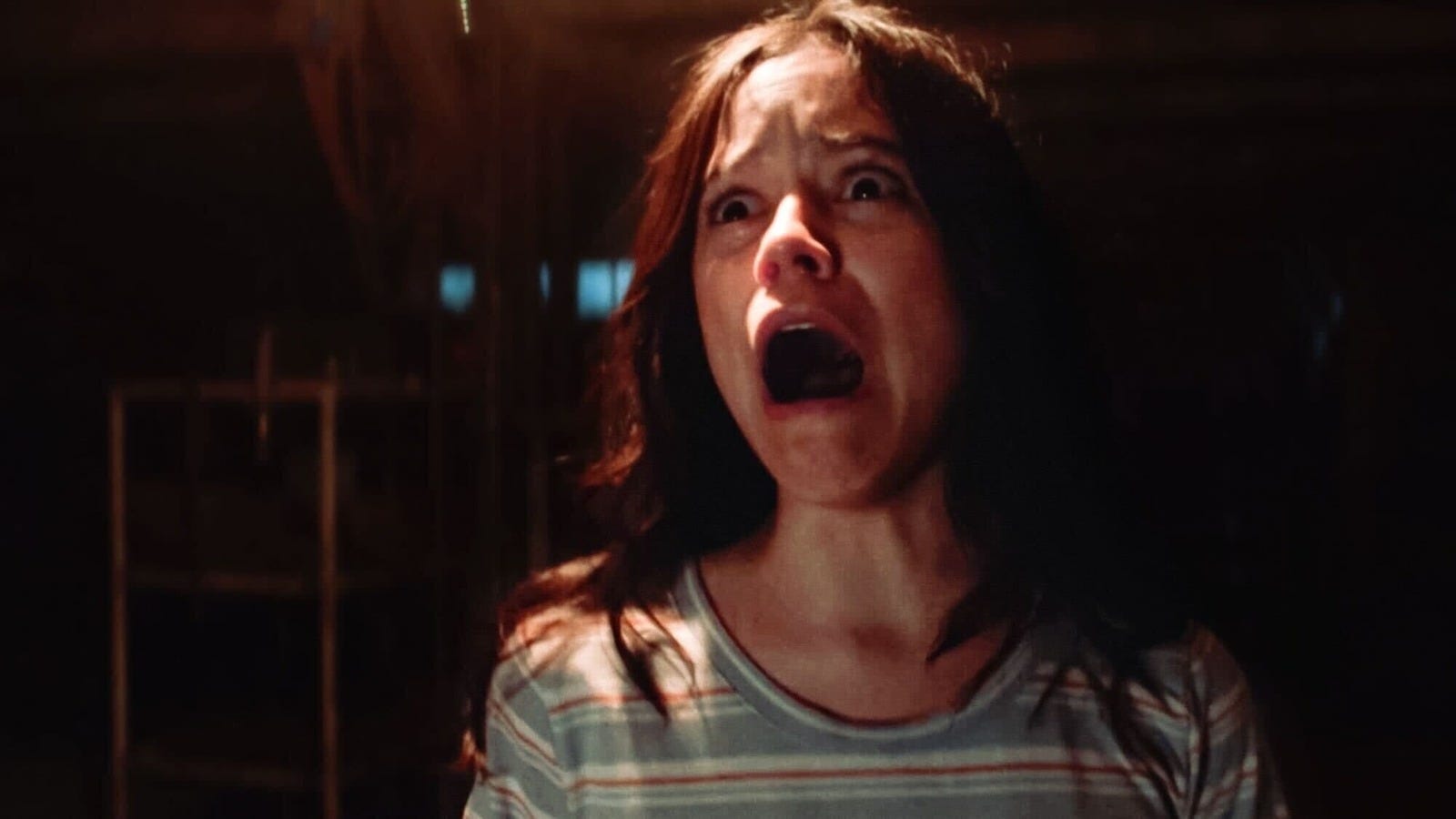
The Artistic Freedom of Fear
Horror is the last genre where you can still make a movie that feels like yours.
That’s what drew me back to it. Beneath the blood and screams, horror quietly became the safest place for filmmakers to take creative risks. You don’t need a franchise bible or four-quadrant appeal, just conviction, atmosphere, and the nerve to follow an idea to its darkest logical end.
When Jordan Peele made Get Out, no one expected a horror movie about race to gross over $255 million worldwide and win an Oscar for Best Original Screenplay. When Ari Aster made Hereditary for $10 million, he wasn’t trying to launch a brand; he was exorcising grief through art, and it worked. Nia DaCosta used Candyman to examine generational trauma, Ti West turned X and Pearl into an elegy for artistic obsession, and Osgood Perkins keeps making minimalist horror that feels like tone poems about isolation. None of those filmmakers could have made their debuts in superhero movies or studio dramas. But horror made space for them.
That’s the irony: horror gives you freedom by pretending to be formulaic. Because it’s seen as “genre,” the gatekeepers look the other way. You can hide a deeply personal story inside the body of a horror film and no one calls it pretentious. A24 built an entire brand on that trick, marketing grief and alienation as “elevated horror” when in reality it was just honest storytelling with guts.
There’s also something democratic about the genre’s aesthetics. You can make a horror film with a DSLR and one good sound designer. It rewards imagination over resources. It forgives rough edges if the tone works. Even failure is interesting in horror because swinging for the fences is part of the appeal. You admire a filmmaker for trying to scare you, even if they miss.
In a time when every other genre feels like brand management, horror remains an act of rebellion. It doesn’t beg to be liked. It dares you to feel something, and that’s the purest form of authorship left in movies.
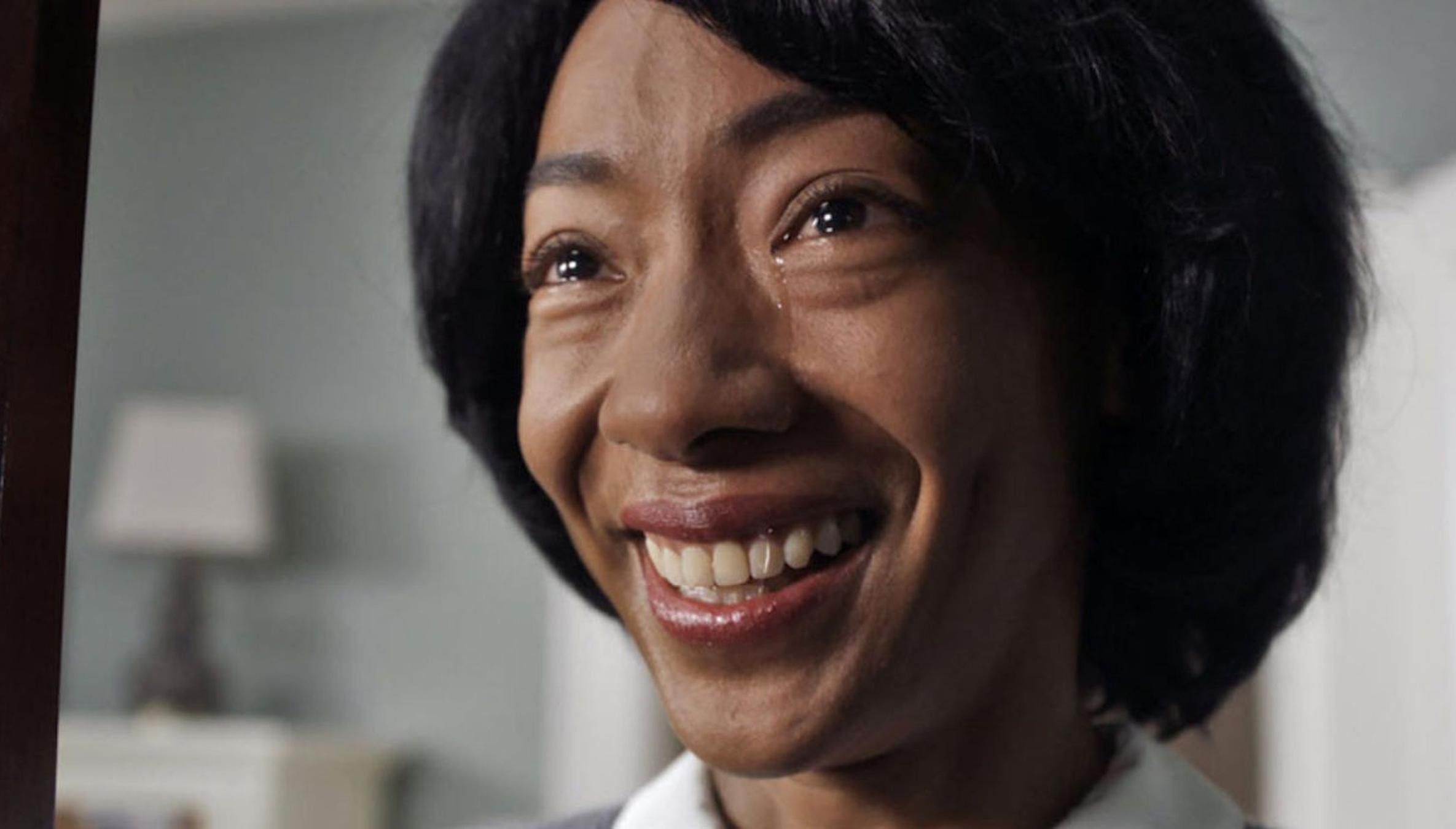
Why Horror Survives the Zeitgeist
Most genres chase what’s trending. Horror chases what’s true.
That’s the secret. Every other kind of movie — comedy, action, romance — depends on tone, language, and context. What feels fresh today can feel stale by next summer. But fear doesn’t age. It doesn’t rely on references or dialogue. You don’t need to “get it.” You just need to feel it. That makes horror one of the few forms of cinema that can survive both time and translation.
You can’t make a “viral” horror movie. You can only make one that feels inevitable, like it was waiting for the right moment to find us. Get Out didn’t tap into the zeitgeist; it defined it. Barbarian didn’t mirror online discourse; it anticipated it. The great ones don’t comment on culture; they sense where it’s going. Horror, when it works, is prophetic in that way. It listens before the rest of us know what we’re hearing.
Part of that comes from how it’s made. Horror movies move fast. They’re small enough to be responsive, to shift with what’s in the air. You can write, shoot, and release a horror film in a fraction of the time it takes to make a superhero tentpole, which means the genre can metabolize the moment almost in real time. When COVID shut down theaters, Host (2020) was written, shot, and edited entirely over Zoom in twelve weeks and became an instant snapshot of the fear and loneliness everyone was feeling. You couldn’t have engineered a more timely movie if you tried.
Horror also survives because it never pretends to be smarter than its audience. It’s sincere about its intentions, and sincerity is timeless. You can’t fake fear, just like you can’t fake chemistry in a romance or humor in a comedy. Horror earns it. That’s why it outlasts trends. It doesn’t need to convince you it’s “relevant.” It just is.
And maybe that’s what other genres should learn from it. Relevance doesn’t come from referencing the culture. It comes from feeling what the culture feels. Horror has known that forever; it just learned to scream it louder than everyone else.
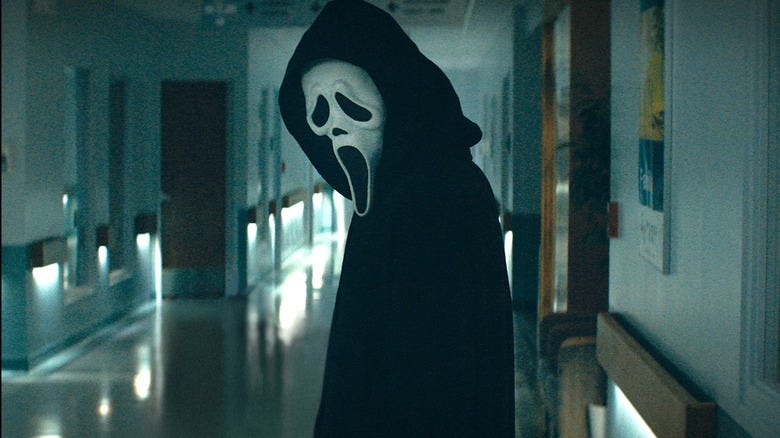
When Fear Fails
For all its consistency, horror isn’t bulletproof. The genre’s simplicity, the very thing that makes it so efficient, is also what makes it fragile. A horror film collapses the second it loses trust with the audience.
That trust comes from tone, from rhythm, from the invisible contract that says, “I know what you’re afraid of, and I’m going to take it seriously.” When filmmakers break that contract, audiences tune out. You see it in overproduced reboots that confuse tension with noise. You see it in franchise sequels that replace mystery with mythology, where every question gets an answer no one asked for. Fear dies in overexplanation.
Horror also fails when it mistakes recognition for resonance. Studios look at a hit like Hereditary and decide what audiences want is “elevated horror,” so they greenlight something self-serious that forgets to actually be scary. Or they look at Smile and chase trauma horror until the metaphor drowns out the emotion. You can’t fake the nerve. You can only hit it.
There’s also the timing problem. When the market floods, audiences get numb. Theaters in October turn into haunted house marathons, and by November everyone’s desensitized. Horror works best when it feels like a discovery, not a delivery. When the audience senses that the studio is afraid of missing out, the irony is that they stop being afraid altogether.
And then there’s intent. Horror only works when the filmmaker cares about what’s underneath the scare. The genre exposes insincerity faster than any other. That’s why bad horror feels worse than a bad comedy. You can feel when the people behind it don’t believe in their own monster.
So yes, horror is the most reliable bet in Hollywood, but only when it’s made with honesty. You can’t manufacture fear; you can only earn it.
The Eternal Return of the Repressed
Horror never really dies. It just waits for the world to catch up.
Every time society convinces itself that it’s safe, horror quietly reminds us it isn’t. It’s the genre that thrives on our blind spots, feeding on whatever we repress until it spills onto the screen. When we pretend we’ve evolved beyond fear, horror shows us that fear has simply evolved with us.
That’s why it never loses power. It’s not bound by nostalgia, or franchise fatigue, or whatever algorithm dictates our attention span this week. Horror survives because it refuses to flatter us. It insists on honesty, the kind we spend most of our lives avoiding. Whether it’s through a masked killer, a haunted house, or an idea we can’t shake, horror points to the things we can’t outrun: mortality, guilt, shame, change. It doesn’t moralize them; it just lets us look.
And maybe that’s why I’ve come to love the genre I once dismissed. It’s not just about survival, it is survival. For filmmakers and audiences alike. Horror endures because it mirrors the part of us that refuses to stay quiet, the part that keeps crawling back from the grave.
Every few years, a new filmmaker grabs the flashlight and steps into the dark. And once again, the industry acts surprised when the monster lives.
Next week, I want to talk about the opposite instinct, what happens when Hollywood tries too hard to chase the zeitgeist instead of feeling it. Because if horror never dies, maybe “relevance” is what actually should.
Comment or respond with your favorite horror film and why!
great article
my fave horror movie is *Alien* (with *The Thing* a very close second)
*Alien* is timeless – the xenomorph is terrifying, the true HORROR comes from knowing that the 'space truckers' were all sacrificed on the altar of corporate greed